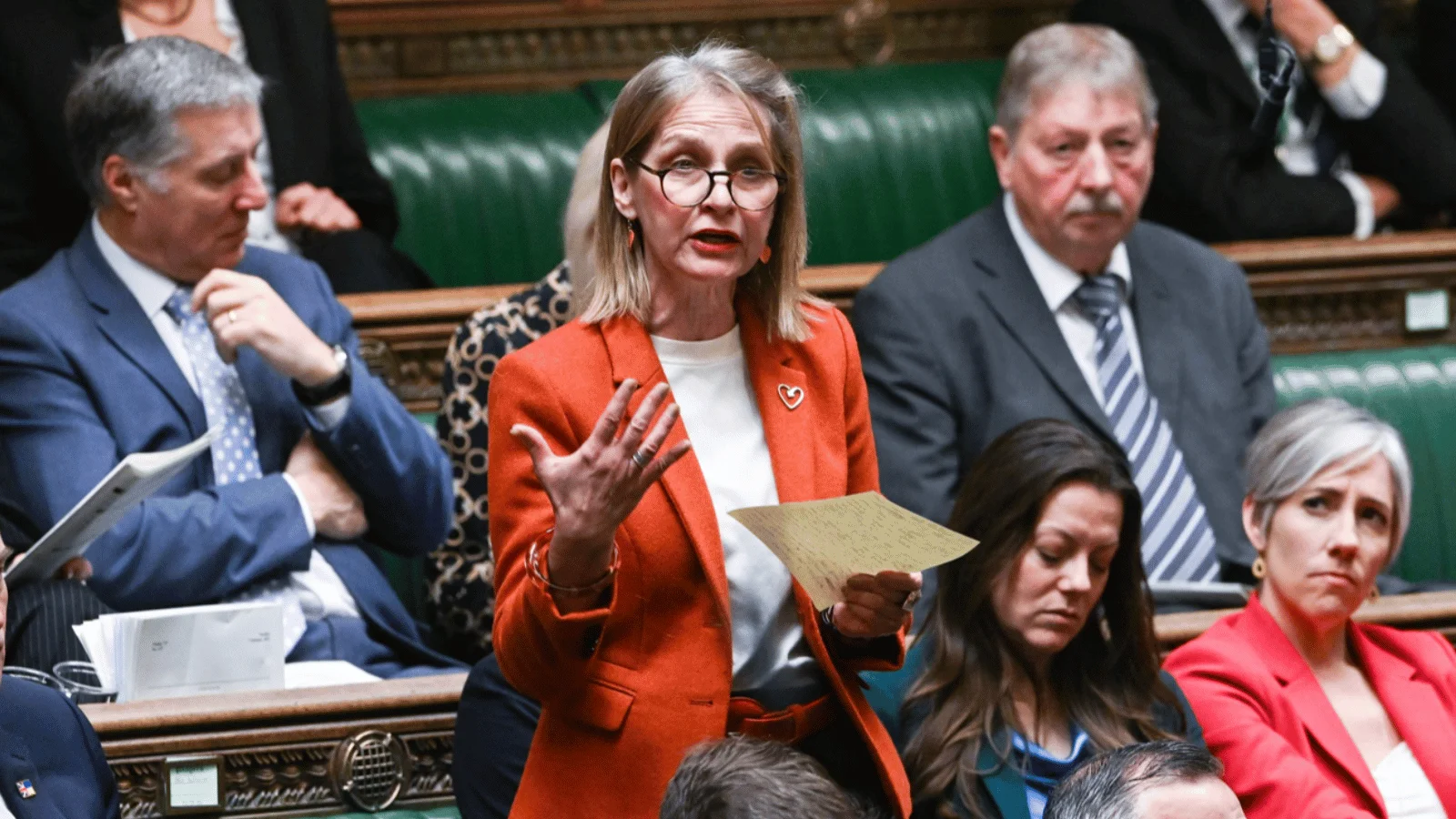

Wera Hobhouse told MPs that Drift Energy of Bath and Luthmore struggle to raise money to grow here. She also asked why boiler and warm homes grants were cut.
Bath’s MP, Wera Hobhouse, has told the Commons that the Budget does nothing to stop young green technology firms, including one based in Bath, from taking their money, jobs and factories abroad.
The Liberal Democrat spoke in the Budget debate on 3 November. She named two south-west businesses: Drift Energy, which is based in Bath, and Luthmore. Both face “significant barriers” to raising investment and to manufacturing in Britain, her office said.
The two firms she named
Drift Energy is building what she called “a first-of-its-kind sailing vessel that harvests wind energy on the move”. She told MPs it could cut the UK’s reliance on imported fossil fuels and add to the country’s capacity to make green hydrogen.
“CBI Economics has estimated that by 2032, Drift Energy could deliver nearly £200 million in growth through operations in the south-west alone,” she said.
Luthmore has developed a battery-powered alternative to the gas combi boiler. It employs 42 people, and expects that to reach 80 within the next nine months.
The funding gap
Her complaint is about the stage between a start-up’s first seed money and the point where venture capital funds will invest. She told the House that gap is growing:
“As the financial markets continue to suffer, the risk appetite of venture funds decreases, which means that companies must reach a significantly greater maturity before they can be funded from these sources.”
The public loan and grant schemes meant to fill it are now behaving like commercial investors, she said, “looking for greater and greater reduction of risk”.
“That forces innovative businesses that develop first-of-its-kind technology to seek funds from international sources, often with a requirement for operations to be moved away from the original region.”
She added that there are no local incentives to help firms like these compete with manufacturers abroad. “British businesses moving abroad is not good growth in every postcode,” she said.
Boiler and warm homes grants
She also attacked cuts to the Warm Homes Plan and the Boiler Upgrade Scheme, which she called “unwelcome and short-sighted”.
“As fossil fuel prices surge, the boiler upgrade scheme is cutting bills for people across the country, employing thousands, and improving the resilience of homes by breaking the link with oil and gas,” she told MPs. She urged the Government to “reverse this disastrous decision and immediately restore full funding to our warm home commitments”.
Earlier in the same debate she put the point to the minister, Emma Reynolds: “Given that the Minister has just said that the Government want to support households but also move away from expensive fossil fuels, why make cuts to the boiler upgrade scheme and the warm homes plan?”
What the minister said
Ms Reynolds did not mention either scheme in her reply. “We are securing energy in our country and giving people an energy support package, as I outlined,” she said, according to Hansard.
She went on to set out Budget help for new companies. That includes a new founders’ relief for people starting high-growth businesses. There is also a young entrepreneurs allowance to cover a year of living costs while founders get going. She said the Government is “supporting companies to start, scale and stay in the UK”.
Mrs Hobhouse posted the exchange on Bluesky, saying the minister “simply chose to avoid answering it”.
In her words
“We have the talent and the technology to lead the way in green innovation, but the Government is failing to give British businesses the support they need to succeed,” Mrs Hobhouse said.
“We should be backing businesses to manufacture here, creating skilled jobs and helping households move away from expensive fossil fuels. Instead, the Government is cutting support and leaving businesses and households facing greater uncertainty. That is no way to deliver growth in every postcode.”
Have your say