
A 28-hectare solar farm at Burnett, near Keynsham, won on appeal on 19 August. The inspector found significant landscape harm and still allowed it for 40 years.
A solar farm on four fields at Burnett, between Keynsham and Bath, has been given planning permission on appeal. Bath and North East Somerset Council refused it in September 2025. A government planning inspector overturned that refusal on 19 August 2026.
The decision only came to wider attention locally this week. It is published on the council’s planning record for the scheme, reference 24/02489/EFUL, under the Planning Inspectorate’s appeal reference 6005916.
Burnett is a small village about five miles west of Bath and just south of Keynsham. The site is at Middle Piece Lane, off the B3116.
What has been approved
The inspector’s decision letter describes the scheme as:
- ground-mounted solar panels up to about 3 metres high
- across a sizeable part of a 28-hectare site made up of four large fields
- transformer stations, site accesses, internal tracks, fencing and CCTV
- a battery storage facility
- planting and biodiversity enhancements on the rest of the land
The developer is Conrad Energy (Developments) II Limited. Its project page gives a capacity of up to 24MW and says a solar farm takes about three to four months to build.
Why the council refused it
The council’s planning committee turned the scheme down. Its decision notice, issued on 25 September 2025, gave three reasons:
- it was inappropriate development in the Green Belt
- it would cause significant harm to the landscape and its setting
- its landscape and visual impacts could not be satisfactorily mitigated
What the inspector found
The inspector, R E Jones, visited the site on 15 June 2026. Much of the letter agrees with the council about the harm.
On the landscape, the inspector found the scheme would “industrialise a sizeable part of the local countryside”. The two upper fields sit on a ridge and valley side. Planting would not hide panels there, even once grown, and the harm would be “significant”.
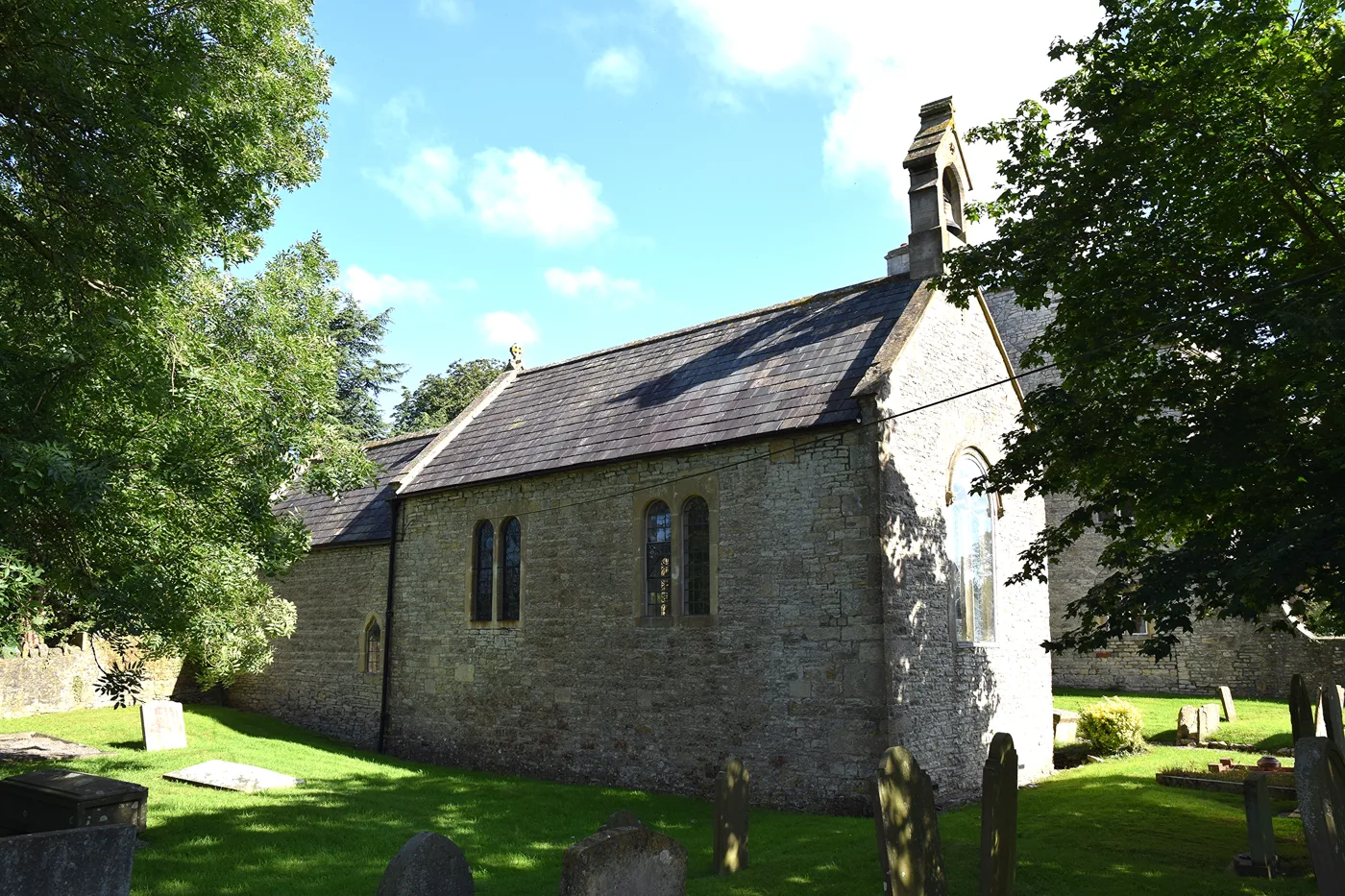
On heritage, the inspector found harm to the setting of listed buildings in Burnett: the Manor House, the Church of St Michael and two 17th-century tombs in its churchyard, all Grade II. Panels would be visible in eastward views from both buildings. The inspector judged that harm “minor”, but noted it would last for up to 40 years. No harm was found to Burnett House, also listed.
The council lost on the Green Belt. The inspector ruled the fields are “grey belt”, a category the national planning rules now use for Green Belt land that does not strongly serve certain purposes. The reasons given were:
- the site is around 900m from Keynsham and hidden from it by a ridge, so it would not cause urban sprawl
- it is a very small part of the gap between Keynsham and Bath
- around 70% of the district is Green Belt, so 28 hectares would not undermine it across the plan area
Once the land counts as grey belt, a solar farm there is not “inappropriate development”, so the first refusal reason fell away.
How the benefits won
The decision came down to a balance. Against the landscape and heritage harm, the inspector put these benefits:
| Benefit set out in the decision | Figure | Weight given |
|---|---|---|
| Clean electricity a year | up to 22 GWh | Substantial |
| Households’ needs met | around 5,574 | Substantial |
| CO2 displaced a year | around 8,000 tonnes | Substantial |
| Battery storage for energy security | not quantified | Substantial |
| Biodiversity net gain, habitat | 54.33% | Moderate |
| Biodiversity net gain, hedgerows | 12.95% | Moderate |
| Biodiversity net gain, watercourses | 19.88% | Moderate |
The developer’s own page puts the figure at up to 6,331 homes. We have used the inspector’s lower number.
The inspector accepted the scheme conflicts with the council’s local plan. But the letter concludes that national support for renewable energy, and the council’s own minimum target of 110MW from renewables by 2029, outweighed it.
Several objections from residents were also dealt with. The inspector accepted the land had long grown crops, but found no evidence to challenge its Grade 4 classification. Arguments that rooftops or brownfield land could do the job instead were rejected for lack of evidence. The developer looked at 43 sites within 4km of its grid connection before choosing this one.
What it means for you
If you live in Burnett, Keynsham or Compton Dando, building cannot start straight away. The permission carries 17 conditions. Several must be met first:
- a construction management plan, covering lorry routes, working hours and dust
- a construction environmental management plan and tree protection plan
- a battery safety management plan before any batteries are installed
- landscaping details and the colour of the buildings and equipment
The developer has three years from 19 August 2026 to start. Each of these plans has to be approved by the council, and the applications to discharge them will appear on the same planning record.
The panels can stay for 40 years from the first day electricity is exported. After that the land must be restored to farmland, under a scheme agreed with the council at least six months before.
Any further lighting on the site needs separate approval. Within three months of switching on, the operator must send the council a noise report.
You can follow new planning decisions near you on our Bath planning news page.
Have your say